#Conversations
#hopitaldufutur, A platform for reflection initiated and led by Groupe-6 architectes since 2019
Designing a hospital means understanding far more than its form. It means grasping the transformations of care, anticipating how spaces will be used, and listening to those who work there, heal there, and innovate there.
Since 2019, #hopitaldufutur has been the way Groupe-6 architectes conducts this ongoing inquiry — by opening it up, sharing it, and making it useful to as many people as possible. The platform brings together multidisciplinary expertise, organises encounters with key figures from the world of healthcare, and conducts exploratory research around four themes:
AI and robotics — Environment — Design — Medical advances
Through more than forty podcast conversations, #hopitaldufutur has gone to meet the many publics of the hospital — patients, doctors, researchers, directors, administrators — as well as experts (engineers, historians) and creative practitioners (writers, designers, filmmakers, journalists) who live the hospital or are inventing its future. Illuminating and thought-provoking, their testimonies speak to their expectations and aspirations for the hospital of tomorrow, and to their deep attachment to this singular place in our society — a true common good. They describe its complex ecosystem and bear witness to the immense value of human expertise alongside technological innovation, and to their boundless potential.

Camille Devroedt, ANAP
Environnemental norm "RE2020" in Healthcare projects
As a standard governing the environmental performance of buildings in France, RE2020 came into force a few years ago, but until now it has applied only to residential properties, commercial premises, and primary and secondary schools. Following the decree of 15 January 2026, which came into force on 1 May, it now covers a whole range of new categories, including healthcare facilities and care homes for the elderly. Camille Devroedt, an environmental engineer and expert in property and sustainable development at ANAP, discusses the aims of this reform, its key principles and its impact on the design of healthcare facilities. A technical yet essential discussion for designers! Podcast coming soon !
#44
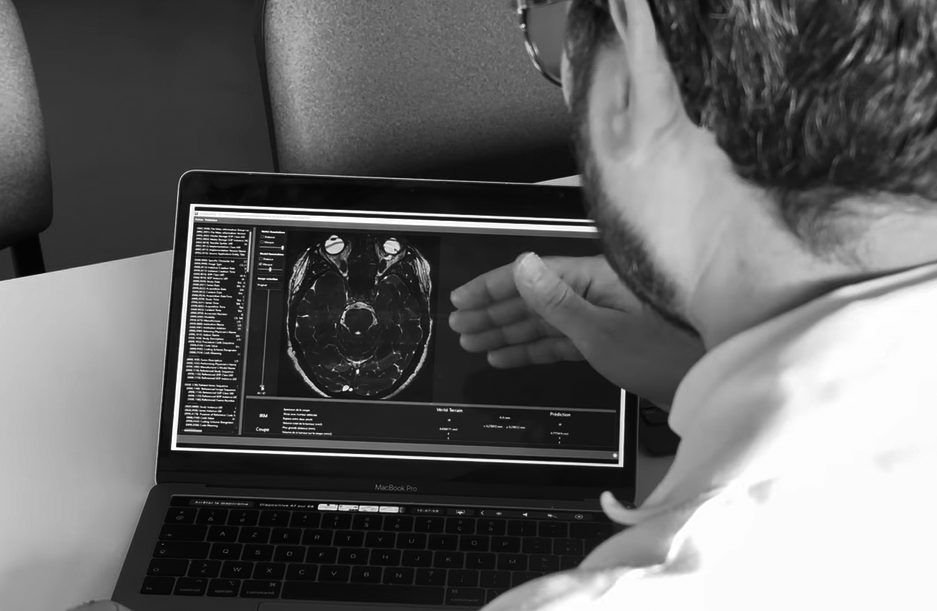
Vincent Vuiblet, PU-PH au CHU de Reims et Directeur de l’Institut d’Intelligence Artificielle en Santé (IIAS)
The Challenges of Integrating AI into Hospitals
Dr. Vincent Vuiblet is a Professor and Consultant (University Professor-Hospital Practitioner) in nephrology, histology, and pathology at the Reims University Hospital (CHU de Reims). Since 2020, he has been leading the Institute for Artificial Intelligence in Health (IIAS), a joint initiative of the University of Reims Champagne-Ardenne and the Reims University Hospital. The IIAS is dedicated to supporting research projects and leveraging health data through AI. In this podcast, he decodes the realities of artificial intelligence in healthcare with pragmatism and without taboos. While AI promises major disruptions, its deployment in hospitals remains confidential to this day. To succeed in this transition, the sector faces 3 major challenges: The imperative of ethics and sovereignty: Guaranteeing the security of healthcare data and avoiding biases in algorithms trained on unrepresentative populations. Preserving critical thinking: Training future healthcare professionals so they do not lose their clinical expertise and decision-making skills when faced with automated AI systems. Economic and ecological sustainability: Given the exorbitant costs and carbon footprint of computational power, keeping usage sober and pooling public resources are essential. The keys to the equation? Pooling resources and redirecting AI toward prevention and the treatment of chronic pathologies before hospitalization to breathe new life into our healthcare system. Enjoy the episode!
#43
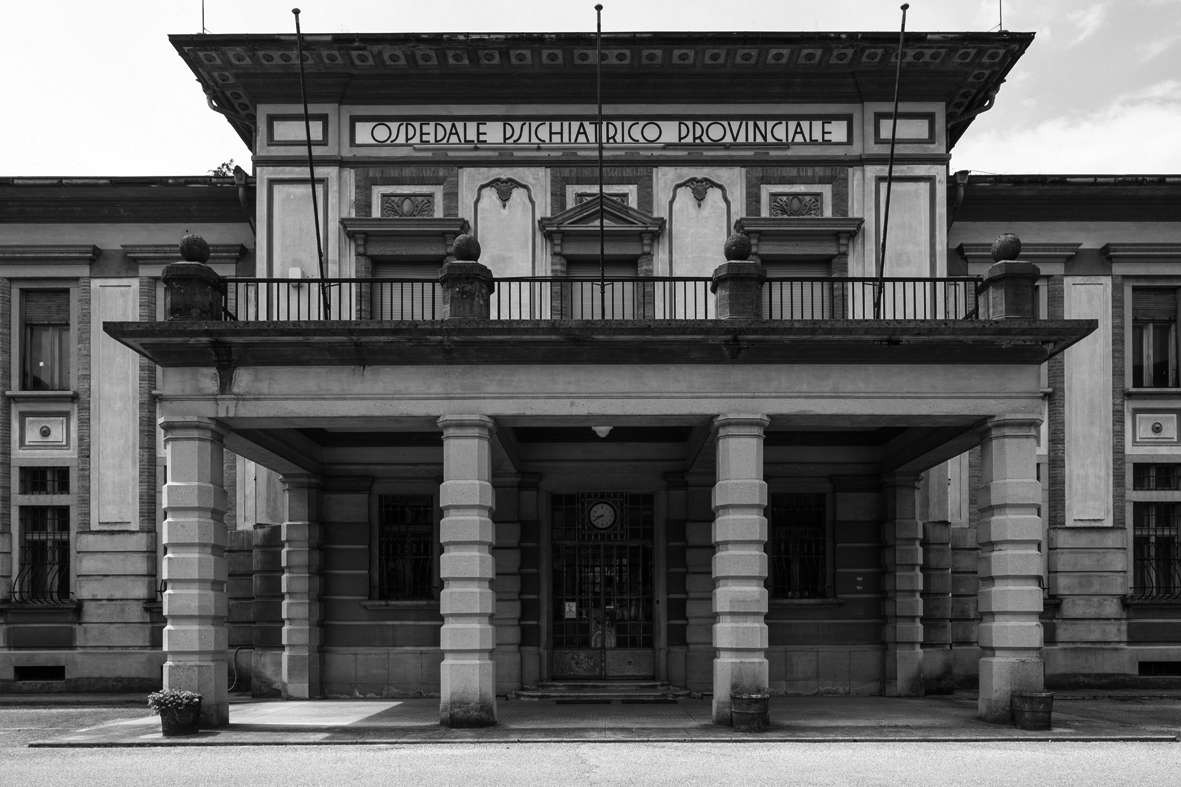
Giuseppina Scavuzzo, Université de Trieste
Franco Basaglia and the hospitals in Gorizia and Trieste
A specialist in the history of psychiatric architecture, an architect and a professor of architecture at the University of Trieste, Giuseppina Scavuzzo looks back at the reform carried out by the psychiatrist Franco Basaglia in the hospitals of Gorizia and Trieste in Italy, which he directed and which inspired Law 180, known as the ‘Basaglia Law’: a landmark mental health law that ordered the gradual dismantling and closure of psychiatric hospitals and their replacement with community-based care. Gorizia’s Hospital © Fulvio Orsenigo
#42
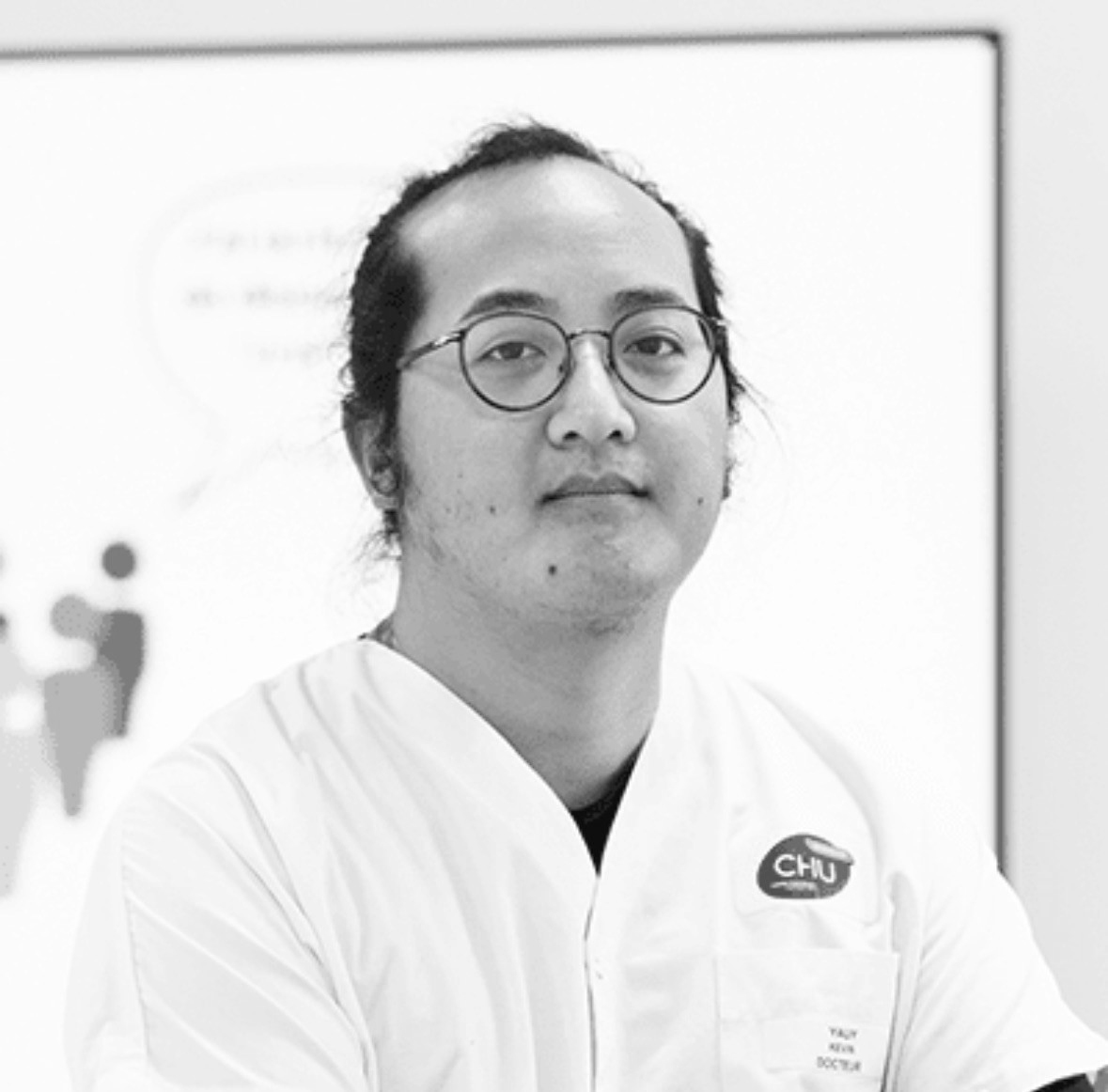
Kevin Yauy, CHU de Montpellier
Artifical intelligence and medecine
A clinical geneticist at Montpellier University Hospital with a PhD in artificial intelligence, Kevin Yauy talks about his dual background in medicine and AI, and presents Doc Simulator, his award-winning platform (2025) that trains medical students using virtual patients. He describes the widespread but often informal adoption of conversational AI by practitioners (‘shadow IT’) and, by way of contrast, presents the AI Assistant developed in-house in Montpellier, which is hosted locally and tested using a methodology modelled on clinical trials. He stresses the ethical dimension of AI in healthcare: it must remain a tool in the service of care, with responsibility always resting with humans and with healthcare professionals on the front line.
#41
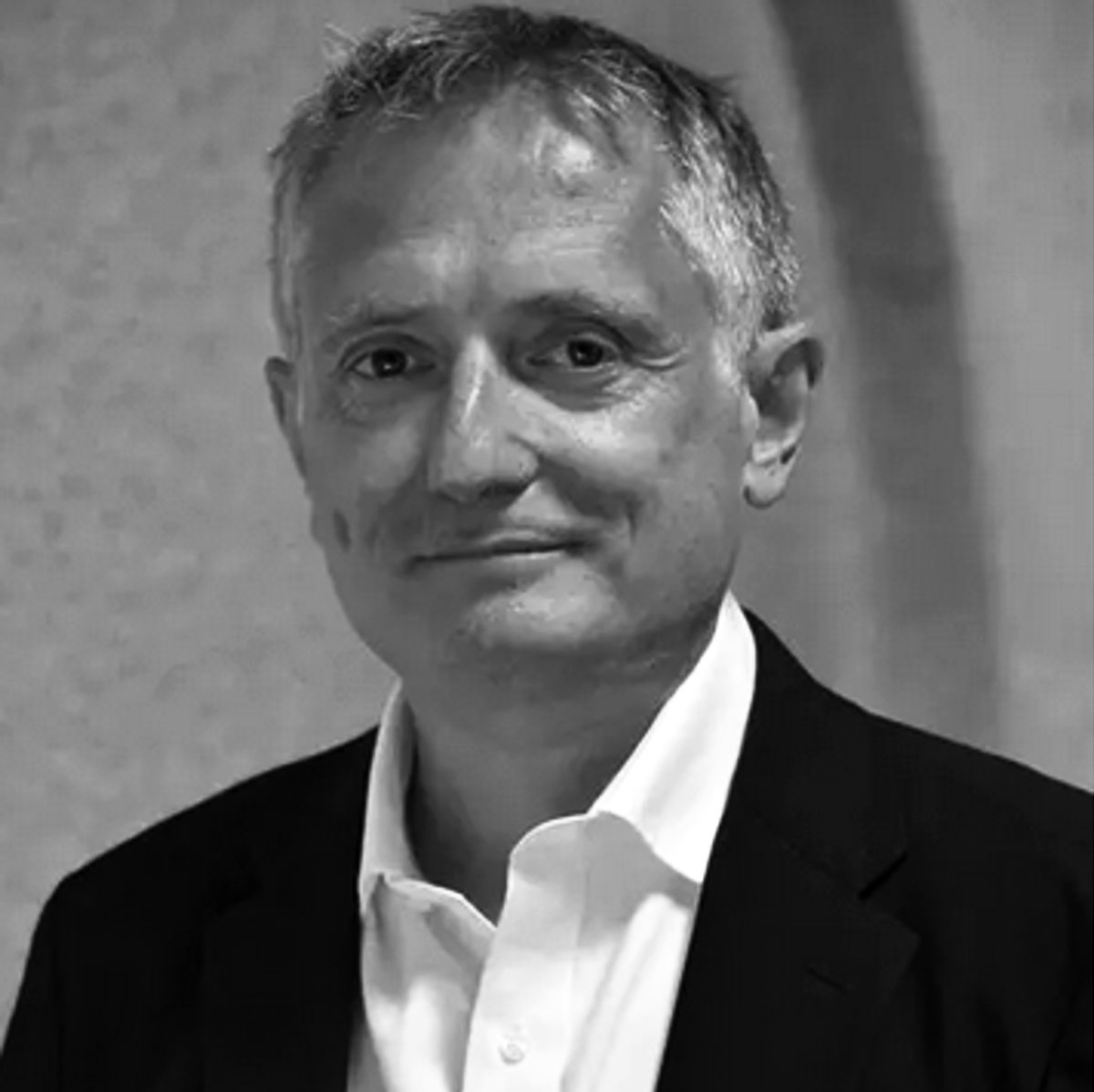
François Crémieux, Directeur de l'AP-HM
Public hospitals, solidarity, and territories
François Crémieux is Director General of Assistance Publique – Hôpitaux de Marseille (AP-HM), one of the largest university hospital trusts in France. A leading figure in the world of healthcare and actively involved with the journal Esprit, he is a strong institutional voice in defence of public hospitals and their democratic and social role in reducing inequalities and serving the Marseille area. He talks about his career, the challenges facing hospitals in the years ahead, the ambitions of AP-HM’s ‘Cap sur 2030’ project and his expectations of healthcare architecture. © François Crémieux / APHM
#40
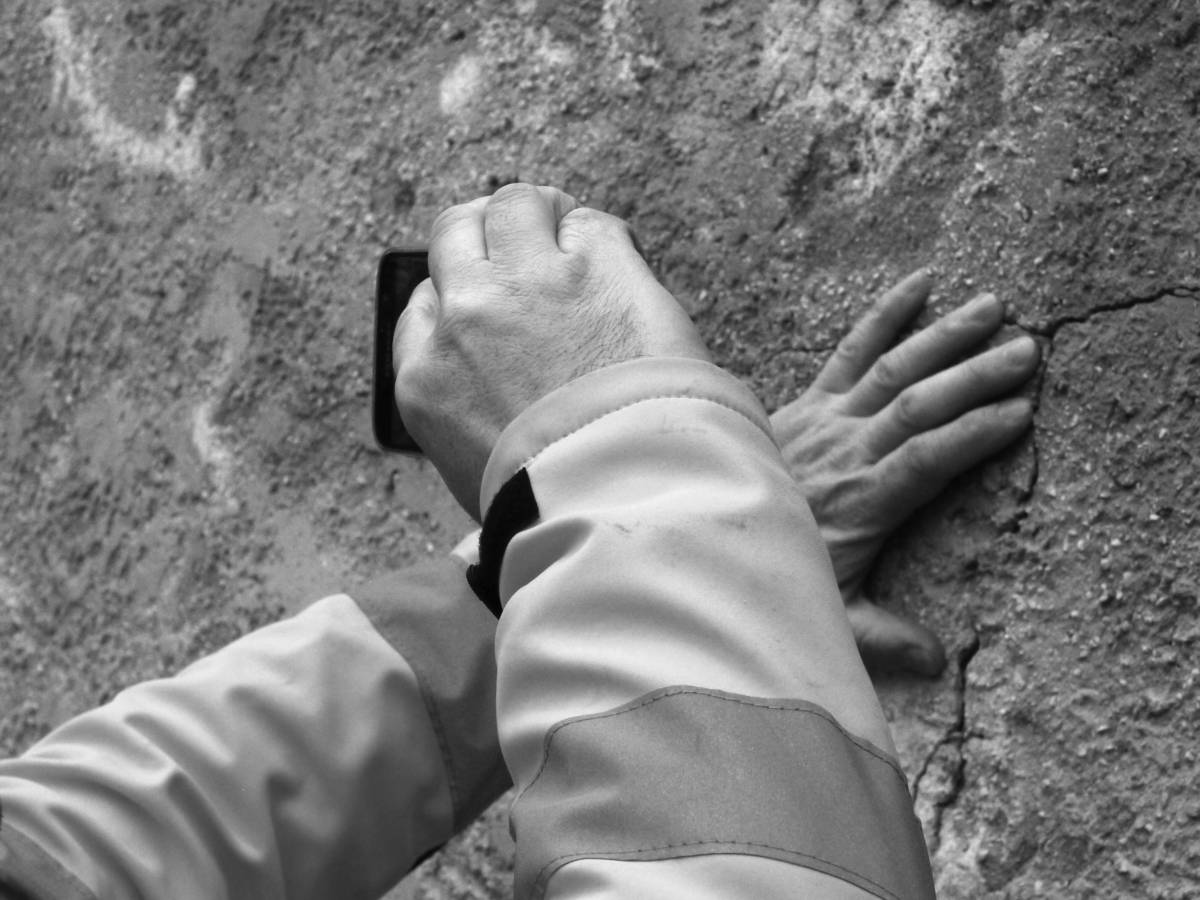
Jérôme Denis, Sociologue, Professeur à l’Ecole des Mines de Paris, Directeur du Centre de Sociologie de l’Innovation
The Care of Things
Jérôme Denis is a sociologist, a professor at Mines Paris and director of the Centre for the Sociology of Innovation (CSI). In Le Soin des choses (The Care of Things: Ethics and Politics of Maintenance), co-written with David Pontille, he sheds light on the work of maintaining objects, infrastructure and buildings, highlighting how relevant this thinking is at a time when resources and environments need to be preserved. He questions our obsession with innovation and draws a connection between maintenance and the ethics of care. 2023 Book Awards of the French Academy of Architecture © Picture : Jérôme Denis © Music « Rasta la vista », composer : René Aubry, (c) and (p) 2011 Music Box Publishing
#39
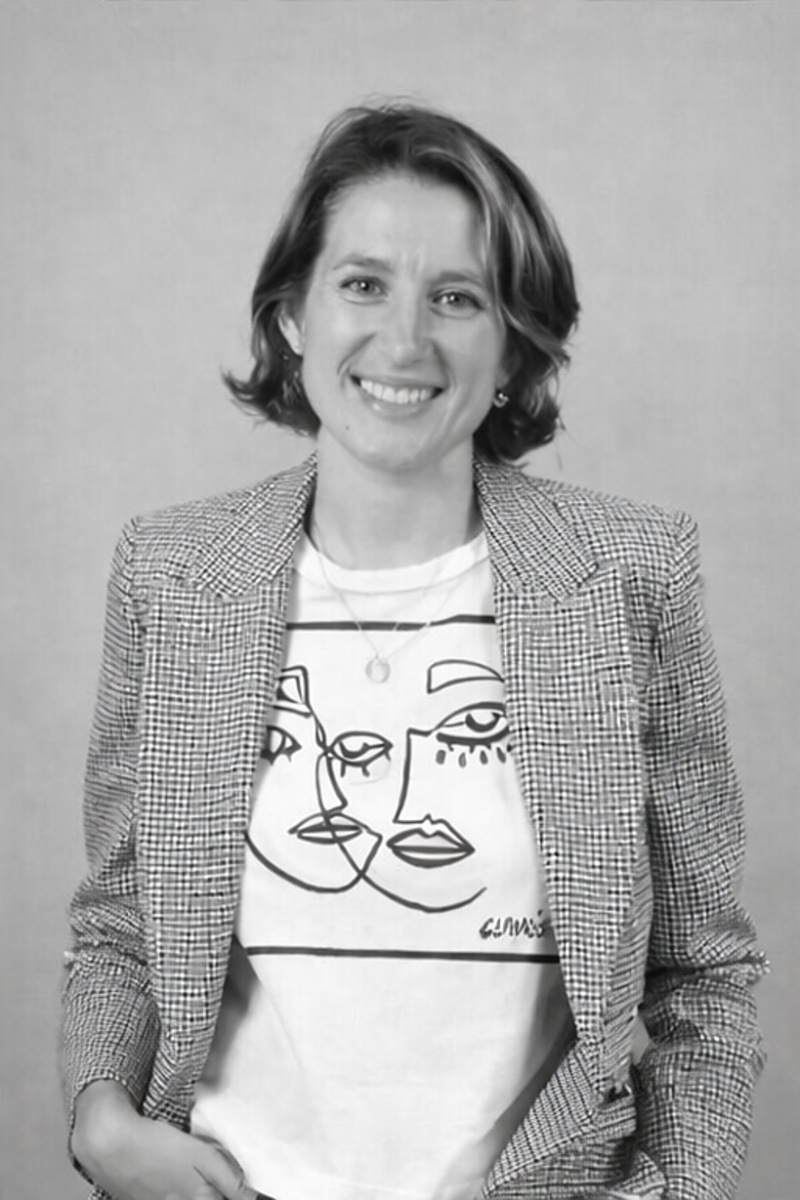
Sophie Rosso, Directrice Générale d’Yci Santé
Expanding access to healthcare in priority neighbourhoods
Sophie Rosso began her career as a property developer. After working as an adviser to the City of Paris, she became deputy director at Redman. When her younger son fell ill, she came to know the paediatric oncology department at La Timone Hospital in Marseille. She became a carer and witnessed inequalities at first hand. This experience changed the direction of her career. In early 2025, she joined Yci Santé to build or refurbish multidisciplinary health centres and tackle the shortage of care in deprived neighbourhoods. © Music « Rasta la vista », composer : René Aubry, (c) and (p) 2011 Music Box Publishing
#38
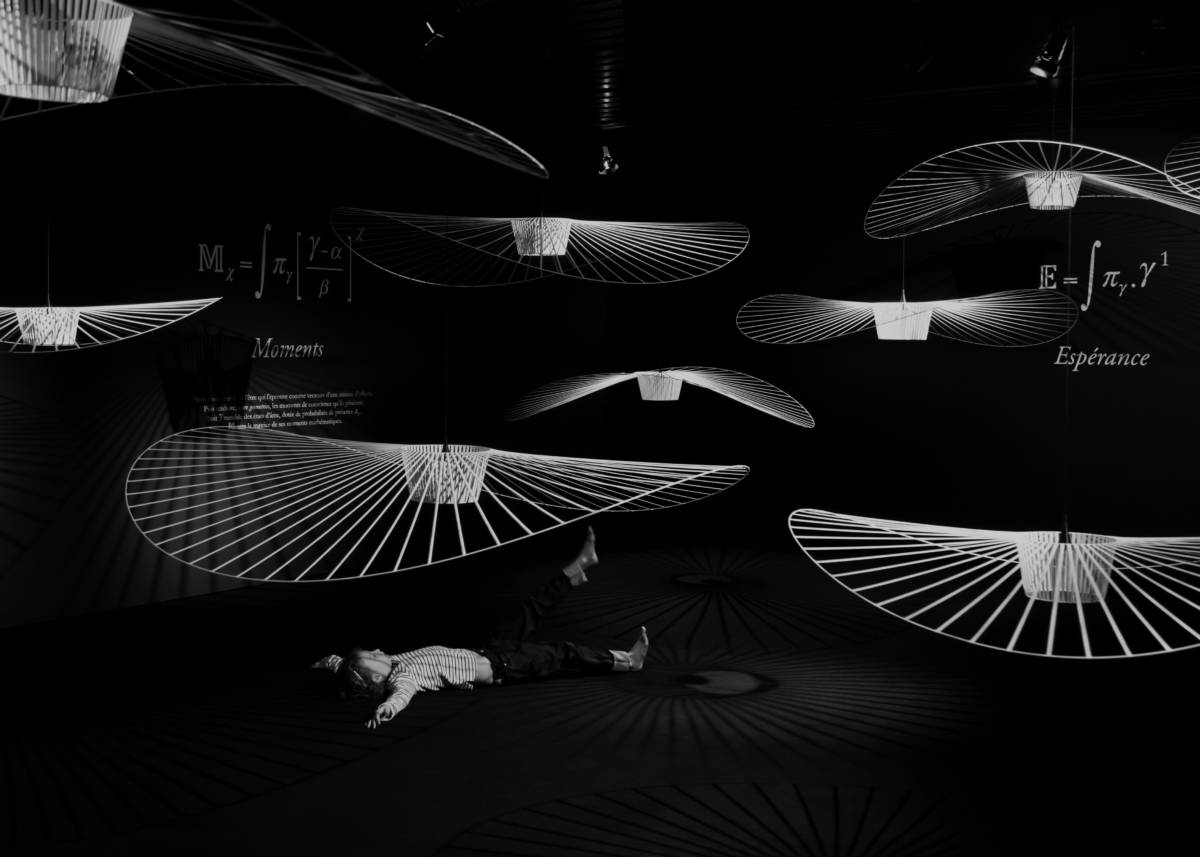
Constance Guisset, designer
Design and health
Constance Guisset is a designer who founded her studio in 2009, specializing in design, interior architecture, and scenography. She collaborates with numerous French and international furniture brands, and creates stage designs for performances and exhibitions, as well as interior architecture projects. Her work is characterized by a pursuit of balance between ergonomics, delicacy, and imagination. Her objects are attempts to explore the embodiment of movement through lightness or surprise, while maintaining a commitment to comfort and to welcoming the body and its gestures.
#37

Hugo Topalov, Bellastock
The Reuse
Bellastock is a collective of architects that has been developing pioneering expertise in France since 2012 in the reuse of building materials, along with a broader reflection on transitional urbanism. In this context, Hugo Topalov, an architect and engineer, explains the origins of the Bellastock collective, its main activities, and the evolution of its various missions (project ownership assistance, project management, training, and awareness-raising). Highlighting the diversity of their initiatives, he reflects on recent projects involving reuse, and the processes these approaches entail (management of supply chains, procedures, and insurance). © Bellastock – Réemploi de pierre dans le quartier Sanitas à Tours Related links : Opalis resource site The FCRBE program Example of reuse at Poitiers University Hospital
#36
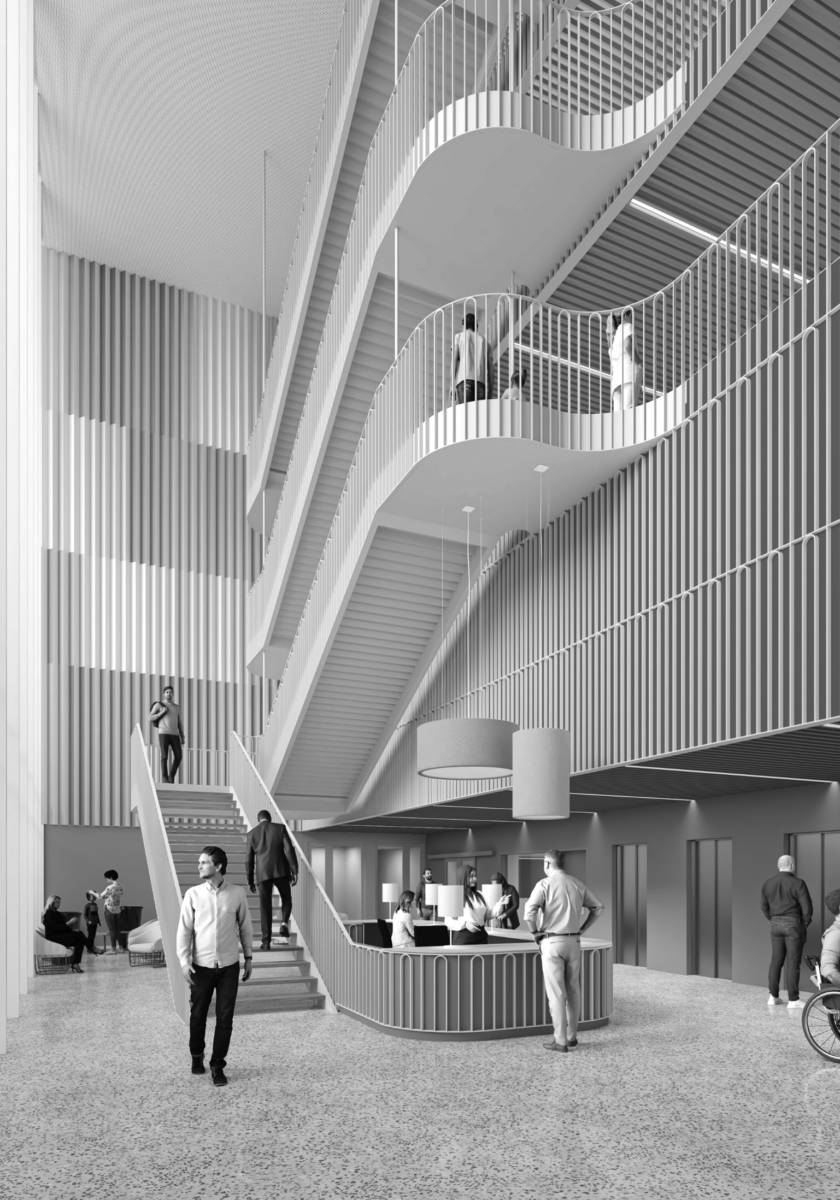
Artus Paty & Emmanuelle Hoche, Centre Becquerel de Rouen
Integrating the patient experience
Artus Paty, Deputy General Manager of the Henri Becquerel Center in Rouen, and Emmanuelle Hoche, Patient Experience Project Manager and Coordinator of the Becquerel-LAB, reflect on the creation of the Becquerel-LAB.Launched a few years ago, this initiative aims to promote patient involvement in shaping the new Becquerel Center, as well as in care practices and the training of healthcare professionals. They share examples of how patients and caregivers can actively contribute, and highlight collaborations with other Unicancer institutions, in France and across Europe that are embracing these new approaches.
#35
CoActis Santé
The Role of associations
“The Role of associations” — A Conversation with CoActis Santé, Pauline d’Orgeval, and Odile Antoine Since 2010, the CoActis Santé association has been working to improve access to healthcare for people with disabilities. In collaboration with numerous partners, the organization has developed and now distributes SantéBD and HandiConnect.fr across France — two practical tools designed to help individuals prepare for medical appointments, feel more comfortable with care, and foster a strong therapeutic alliance between patients and healthcare providers. Both resources are freely accessible. https://coactis-sante.fr/
#34
Maxime Perez-Zitvogel, La Maison Perchée
The Pair-Aidance
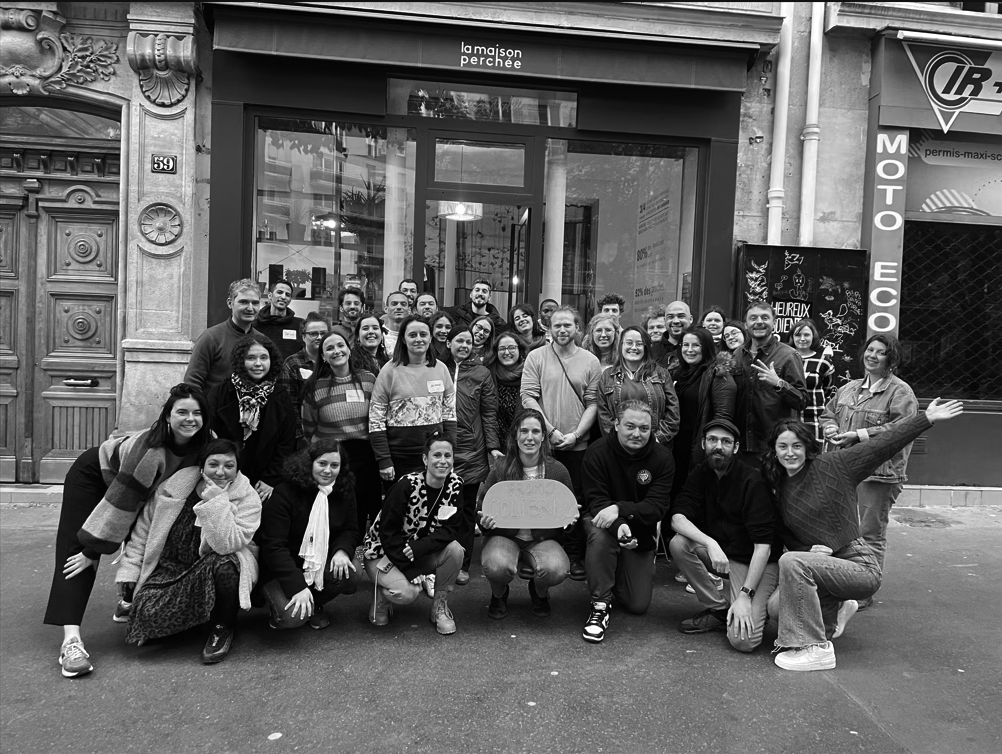
Maxime Perez-Zitvogel is co-founder of La Maison Perchée. La Maison Perchée is a community association that supports young adults affected by schizophrenia, bipolar disorder, and borderline personality disorder, as well as their families and loved ones. Although nearly 3% of people in France live with bipolar disorder or schizophrenia, these conditions remain poorly understood. Led by individuals affected by these disorders and their families, La Maison Perchée takes a non-medical, inclusive approach aimed at fostering a better understanding of these mental health issues, placing peer support at the center of the recovery process. The association was founded by young adults living with these conditions, including Maxime Perez-Zitvogel. https://www.maisonperchee.org/
#33

Philippe Denormandie
Disabilities
Philippe Denormandie is a neurosurgeon specializing in disabilities, an advisor to the Ministry of Health, and a guarantor of the National Health Research Council (CNR Santé).
#32
Norbert Nabet
"Which hospital for precision medicine?"
Norbert Nabet is a public health physician, former deputy director of the Regional Health Agency of PACA/Corsica, and health advisor to the Ministry.
#31
Pierre Vera
Oncology, what kind of medicine tomorrow?
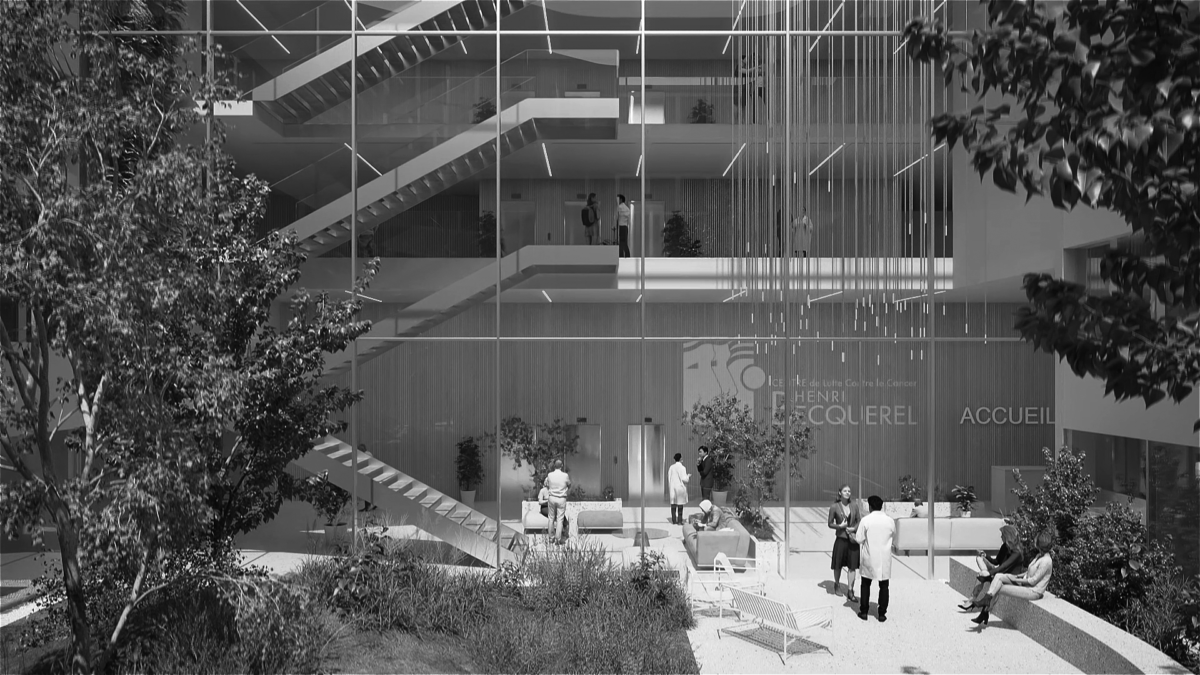
« Oncology », Conversation with Professor Pierre Vera, Nuclear Medicine Physician, Head of Department and Director General of the Henri Becquerel Center in Rouen
#30
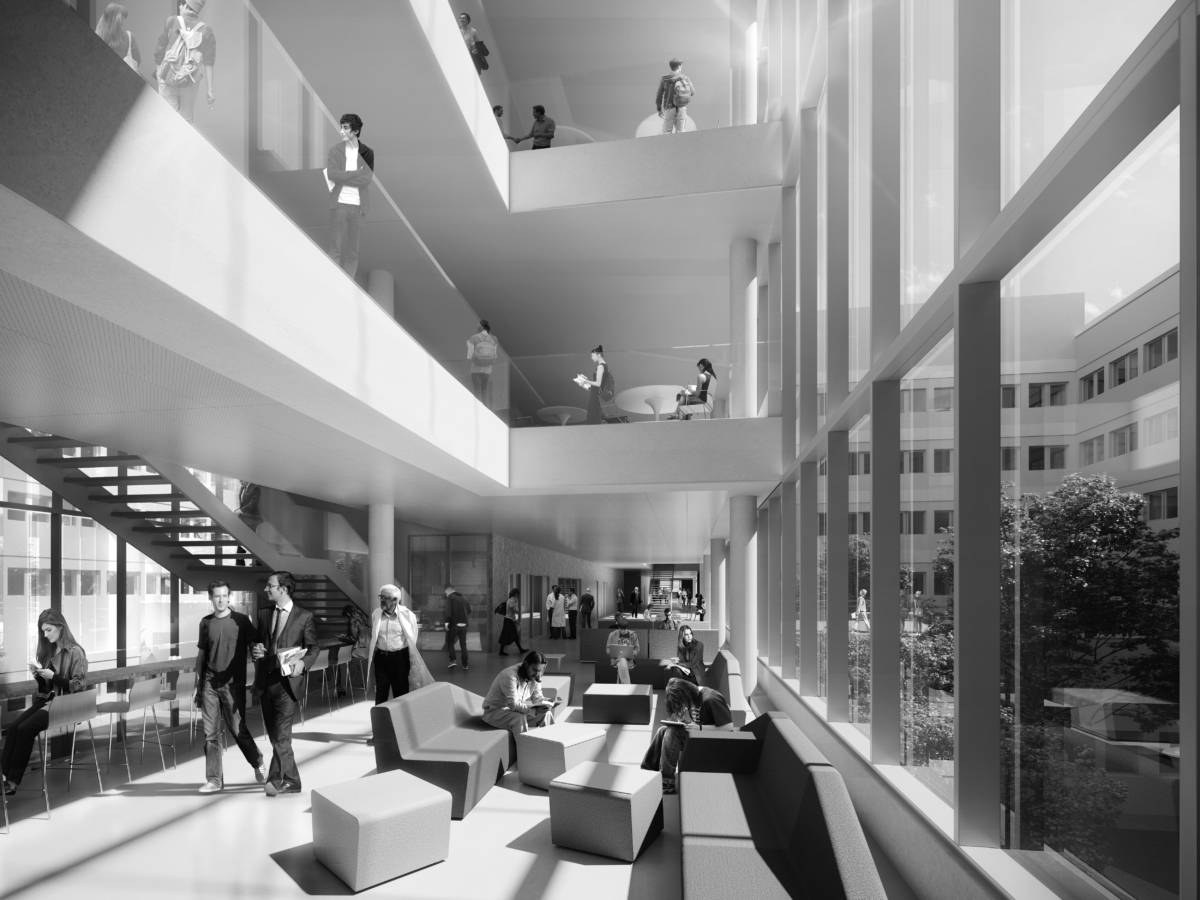
Maxime Jourdain & Delphine Joseph
Scientific research at university, what kind of laboratory today ?
A conversation with Maxime Jourdain, Director of the BPC project at Université Paris-Saclay, and Delphine Joseph, CNRS Professor and Deputy Director of BioCIS, head of the “Natural Substances Chemistry” research team. December 1st at 4:30 PM Informations : communication@groupe-6.com
#29

Sandrine Thullier & Alain Benini, HCL.
Healthcare real estate master plans : purposes and methods
A conversation with Sandrine Thullier, Deputy Director of the Technical Affairs Department at Hospices Civils de Lyon, and Alain Benini, architect and head of the Architecture and Project Management Department at the HCL Technical Affairs Department.
#28

Patrick Pessaux
Ecoresponsibility in healthcare
Patrick Pessaux is Head of the Visceral and Digestive Surgery Department at the New Civil Hospital of Strasbourg, and President of the Eco-Responsibility in Health Collective (CERES). He discusses the goals and initiatives of the CERES collective, highlighting examples implemented in various institutions, as well as healthcare professionals’ expectations regarding care environments and the transition toward a more sustainable healthcare system. © photo by Kateryna Hliznitsova on Unsplash
#27
Bernard Jourdain
RE2020, Tertiary decree
Bernard Jourdain is Director of Sustainable Development at CH of Niort.
#26
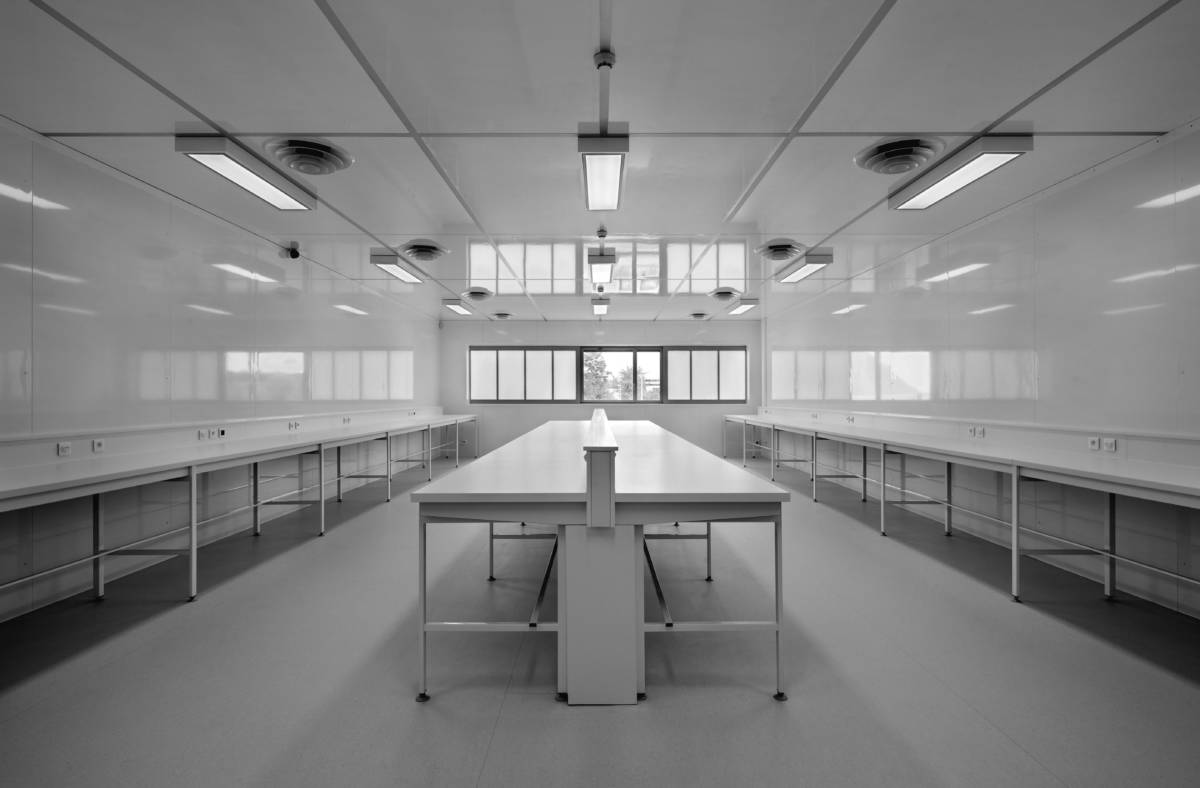
Hugues Brochard
Laboratories: mutations, specialisations, translational research evolution
Hugues Brochard is the Director of ELIX and a specialist in the design of biology and research laboratories. He discusses the development of biology centers within hospitals, their areas of specialization, recent advances in laboratory infrastructure (such as sampling units and technical analysis platforms), and the connections between medical research and patient care in translational research laboratories.
#25
A2M0, Icade & Embase
Healthcare programming, issues and innovations
“Healthcare programming, issues and innovations”, une Conversation avec Elisabeth Lecureuil (A2MO), Thierry Jeanson (ICADE) et Vincent Sainte-Marie-Gautier (EMBASE) Save the date : Lundi 28 mars 2022 à 16h30 Informations : hopitaldufutur@groupe-6.com Our speakers will comment the current issues and recent developments in hospital programs, related to COVID, sustainable development, their international inspirations, and theirs methods to build a good program.
#24

Camille Devroedt
Hospital sustainability, realities and perspectives
Camille Devroedt is an engineer and has served as Head of Technical Services and Sustainable Development at the Saint-Affrique and Millau Hospitals since 2020, following her role as Head of Sustainable Development at Grenoble University Hospital. She discusses the key sustainability priorities implemented at the hospitals, including improving the energy performance of existing buildings, developing a mobility plan, balancing day-to-day equipment management with long-term investments, anticipating climate-related risks such as heatwaves and floods, raising awareness among staff, and planning for future healthcare facilities.
#23

Daniel Maurer
“And outside life goes on”
Daniel Maurer is a filmmaker, documentary director. In 2011, he began filming the stages of the competition and the realization of the project of the new Hospital Riviera-Chablais, Vaud-Valais, in Switzerland. He then moved his gaze to the caregivers and patients. His film «And outside life goes on», presented in cinemas this fall, offers us an immersion in the heart of the hospital environment in HRC, and puts light on the issues of the birth of this new hospital.
#22
Laurie Marrauld, du Shift Project
Decarbonated healthcare
Laurie Marrauld is Head of Healthcare Department at the Shift Project and teacher-researcher in Public Health at EHESP School of Public Health. The Shift Project is a French think tank advocating the shift to a post-carbon economy. As a non-profit organisation committed to serving the general interest through scientific objectivity, they are dedicated to informing and influencing the debate on energy transition in Europe.
#21
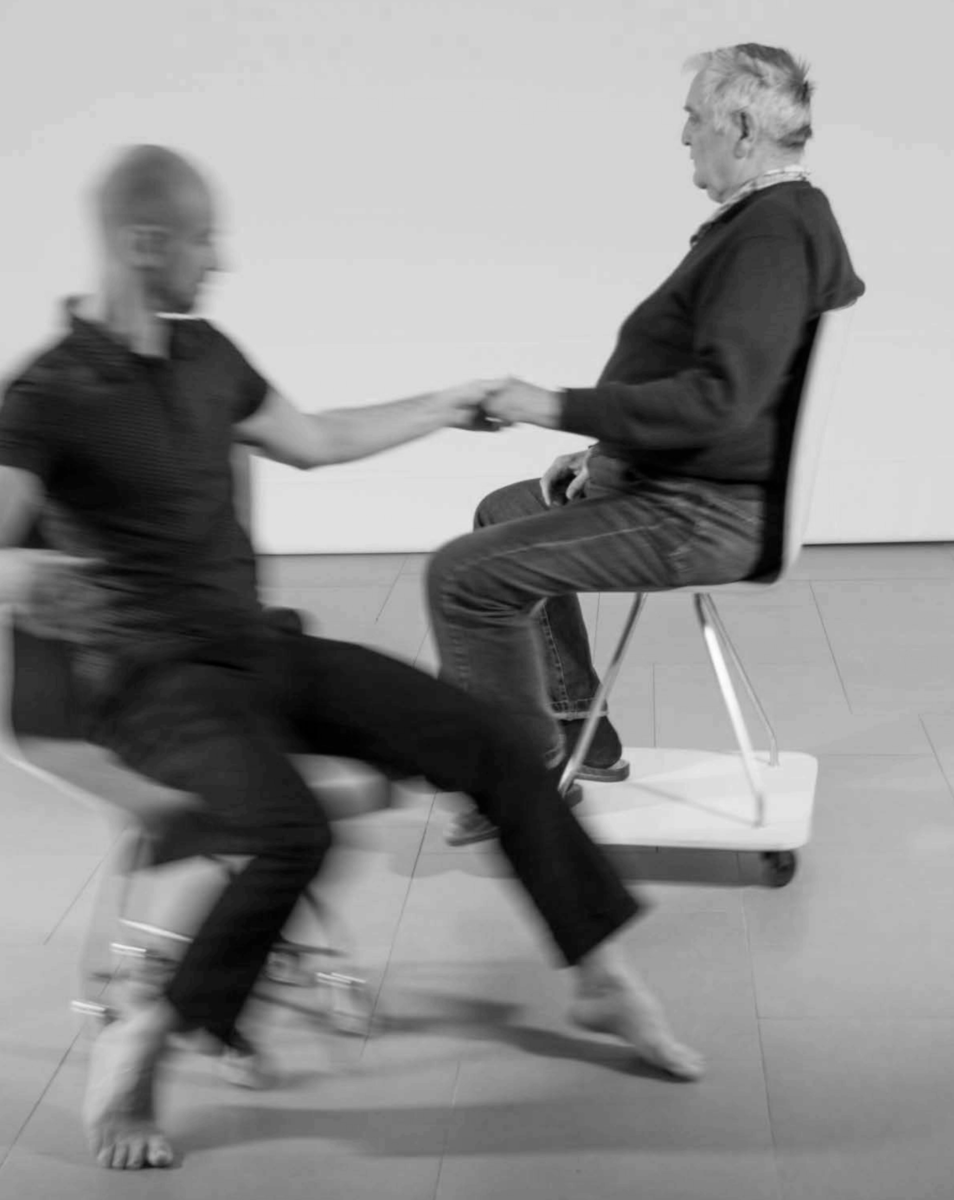
Sophie Larger
Design and care
Sophie Larger is a designer and instructor at the École des Arts Décoratifs (ENSAD). Her work spans a wide range of fields, from sculpture and object design to scenography and participatory artistic interventions. Care is at the core of her practice. She explores it through collaborations with visual artists and choreographers, addressing themes such as the body, disability, human connection, and territory, in projects where experimentation and participation come together.
#20
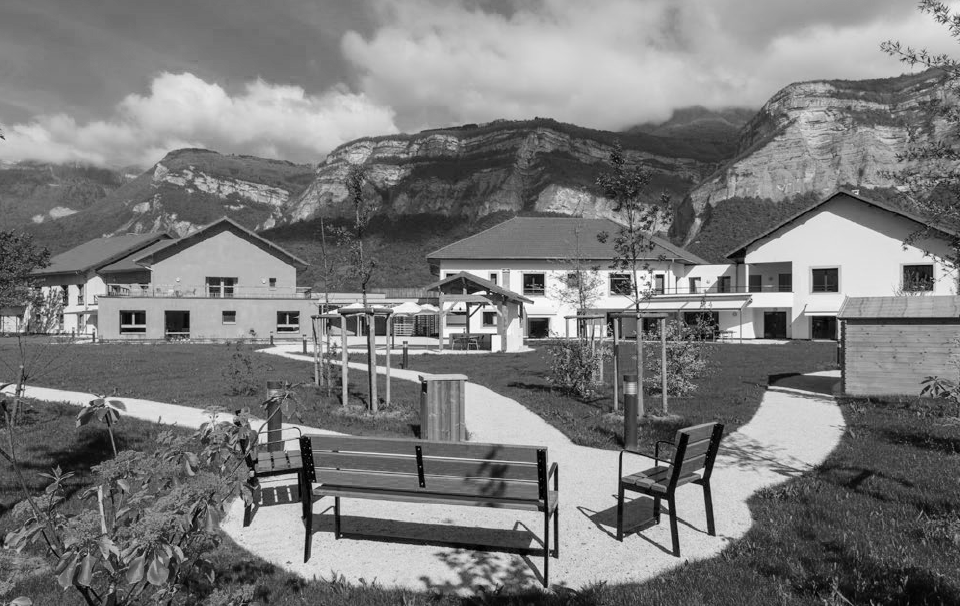
Manon Labarchède & Guy Tapie
Alzheimer’s disease spaces
Manon Labarchède is an architect and sociologist. Her sociology thesis is entitled “The spaces of Alzheimer’s disease: living conditions, accommodation and hospitality”. Guy Tapie, sociologist, is a professor HDR at the School of Architecture and Landscape of Bordeaux, researcher specialist of the professions and habitat. He was for a long time in charge of the PAVE (Profession Architecture Ville Environnement) laboratory. More information : https://theconversation.com/un-village-alzheimer-pour-qui-pourquoi-159274 http://www.theses.fr/2021BORD0030
#19
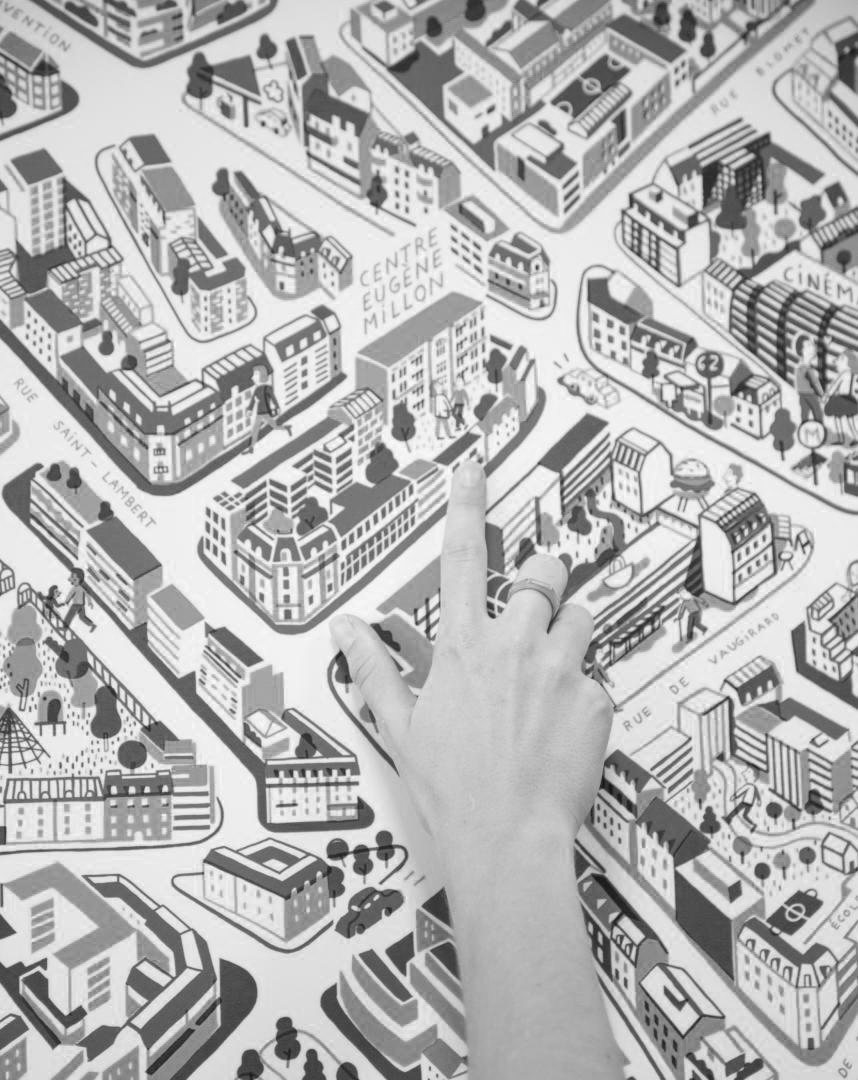
Marie Coirié
Design and hospitality, how conceive with professionnals and patients ?
Marie Coirié, designer and teacher at ENSCI, is co-head of the Lab-ah, design and development service of the GHU Paris Psychiatrie et Neurosciences, in Paris Saint-Anne Hospital. Founded and directed since 2016 by Carine Delanoë-Vieux and Marie Coirié, the Lab-ah (Laboratoire de l’Accueil et de l’Hospitalité) relies on design and cultural development skills to conceive and realize experiments with the users of hospitals, professionnals and patients. References : The Lab-ah on the website of the GHU : https://www.ghu-paris.fr/fr/le-lab-ah The conception method of the hospitality course for the specifications of Neuro Sainte-Anne project : https://www.ocula.it/files/OCULA-20-DELANOE-VIEUX-COIRIE-COUBARD-MILLOT-FIGUEROLA-L-experience-du-patient-en-design.pdf Article written with Denis Pellerin about design and care : https://www.cairn.info/revue-sciences-du-design-2017-2-page-40.htm# The book Design et pensée du care – Pour un design des microluttes et des singularités : https://www.lespressesdureel.com/ouvrage.php?id=7185 The book Couleur et soin : https://www.lespressesdureel.com/ouvrage.php?id=8424#:~:text=Depuis%20une%20dizaine%20d’ann%C3%A9es,traduire%20par%20%C2%AB%20prendre%20soin%20%C2%BB.
#18

Marie-Paule Dayer & Samira Bourhaba
Reconciling technology and humanism at hospital ?
Marie-Paule Dayer is President of the Smarthospital commission in the Smart Buildings Alliance for Smart Cities, and Head of Healthcare department at ABB, industrial leader of technologies, automatism and energy. Samira Bourhaba is Head of Healthcare department and Project leader at BG Ingénieurs Conseils.
#17
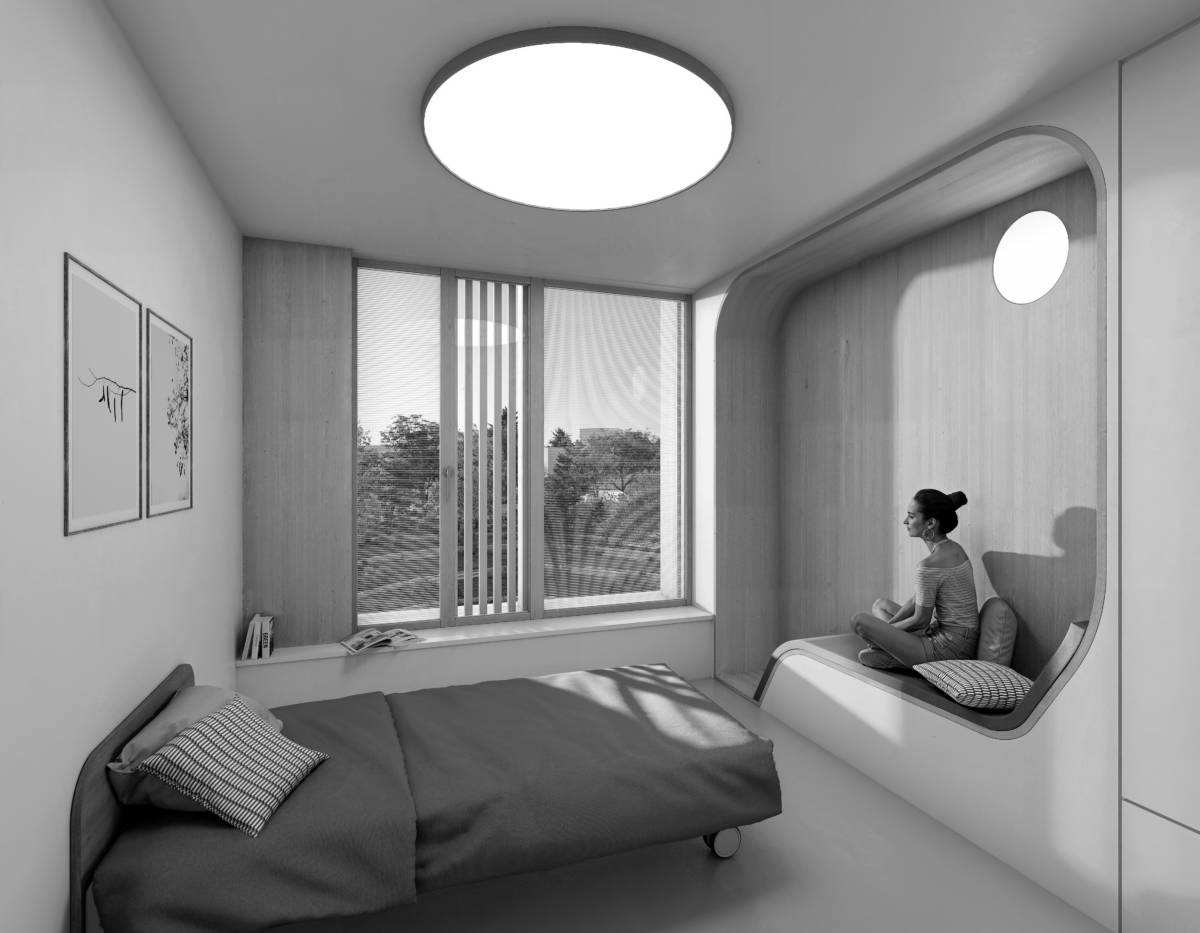
Donato Severo & Lila Bonneau
Architecture and psychiatry : French and international approaches
Donato Severo, architect and historian, is a professor at the Paris-Val-de-Seine School of Architecture and a researcher specializing in healthcare architectural heritage (EVCAU Laboratory, Chair in Architecture, Health and Vulnerabilities). Lila Bonneau is a certified architect (HMONP), holds a DSA (Diploma of Advanced Studies) in Architecture and Heritage from ENSA-Paris Belleville, and is a doctoral candidate at ENSA-Paris Val de Seine. Her thesis explores the origins and future of healthcare architectural heritage, using the Beaujon Hospital in Clichy as a case study.
#16
Rodolphe Bourret
Magnetic hospital, desirable?
A conversation organised by #hopitaldufutur with the support of the MNH-nehs group. Rodolphe Bourret is Head of the General Hospital of Valenciennes, France. I talks about the specific gouvernance of this magnetic hospital, unique in France, and its initiatives at both the institutional and territorial levels. Podcast coming soon!
#15

Matthieu Girier
Desirable hospital ? Caregivers and quality of working life
Matthieu GIRIER is Head of HR of the CHU de Bordeaux(General Hospital) et President of the adRHess association. He talks about rich and various conceptions of the Quality of working life, the assets of Design Thinking, and the new services in hospitals. A talk led by #hopitaldufutur with the participation of the nehs group founded by the Mutuelle Nationale des Hospitaliers (MNH).
#14
Aude Nyadanu
Healthcare innovation, technological or human ?
Aude Nyadanu, polytechnicienne and doctor of chemistry, founded Lowpital, a collaborative innovation platform dedicated to improve the patient experience in hospital. As an AP-HP employee during the first Covid crisis, she developed the volunteer platform through citizen engagement. She looks back at examples of organizational and low-tech innovation at the hospital, the prospects for transformation she imagines and her desire to use citizen engagement to discuss the hospital of the future.
#13
Jean Sibilia
Public hospital, citizen hospital
Jean SIBILIA is Head of the Rheumatology Department of the CHU of Strasbourg (University Hsopital) and President of the Conference of Deans of Medical Schools. A talk led by #hopitaldufutur with the participation of the nehs group founded by the Mutuelle Nationale des Hospitaliers (MNH).
#12

Martin Winckler
Inclusive hospital
Talk with Martin Winckler, doctor and writer Martin Winckler, french doctor and writer, has published in 1998 “Sachs’ Disease” (Prix du Livre Inter, adaptated in the film from Michel Deville with Albert Dupontel), then in 2009 “Le Chœur des femmes” and more recently “L’école des soignantes”. This books are inspired by his personnal experience of medecine, and talks about care, hospitals and caregivers-patients relationships with an inclusive and feminist conception. Since some years, he lives in Montréal, where he observes a inspiring conception of care : communautarian, collective, pragmatic and less hierarchized. Podcast coming soon !
#11

Donato Severo et Bertrand Lemoine
Hospital and city : a new urban condition?
Donato SEVERO, architect and historian, researcher and Professor HDR at ENSAPVS where he leads the Chair Health co-founded with the AP-HP. His research focuses on the theory and history of healthcare architecture Bertrand LEMOINE, engineer École polytechnique et École nationale des ponts et chaussées, architect, honorary research director at the CNRS. Former director of the Atelier International du Grand Paris (AIGP) and the Ecole d’Architecture de Paris La Villette, he is president of the Academy of Architecture since December 2019.
#10
Guillaume Meunier
Low-carbon hospital
Conversation with Guillaume Meunier, Architect-Engineer, Associate Director and Head of the Environnement Section of Elioth, Paris. Guillaume Meunier talks about low-carbon studies conducted on buildings and especialy on hospitals, to understand the aims of a low-carbon conception adapted on healthcare programms.
#9
Fanny Chabrol
Resilience : organizations versus infrastructures
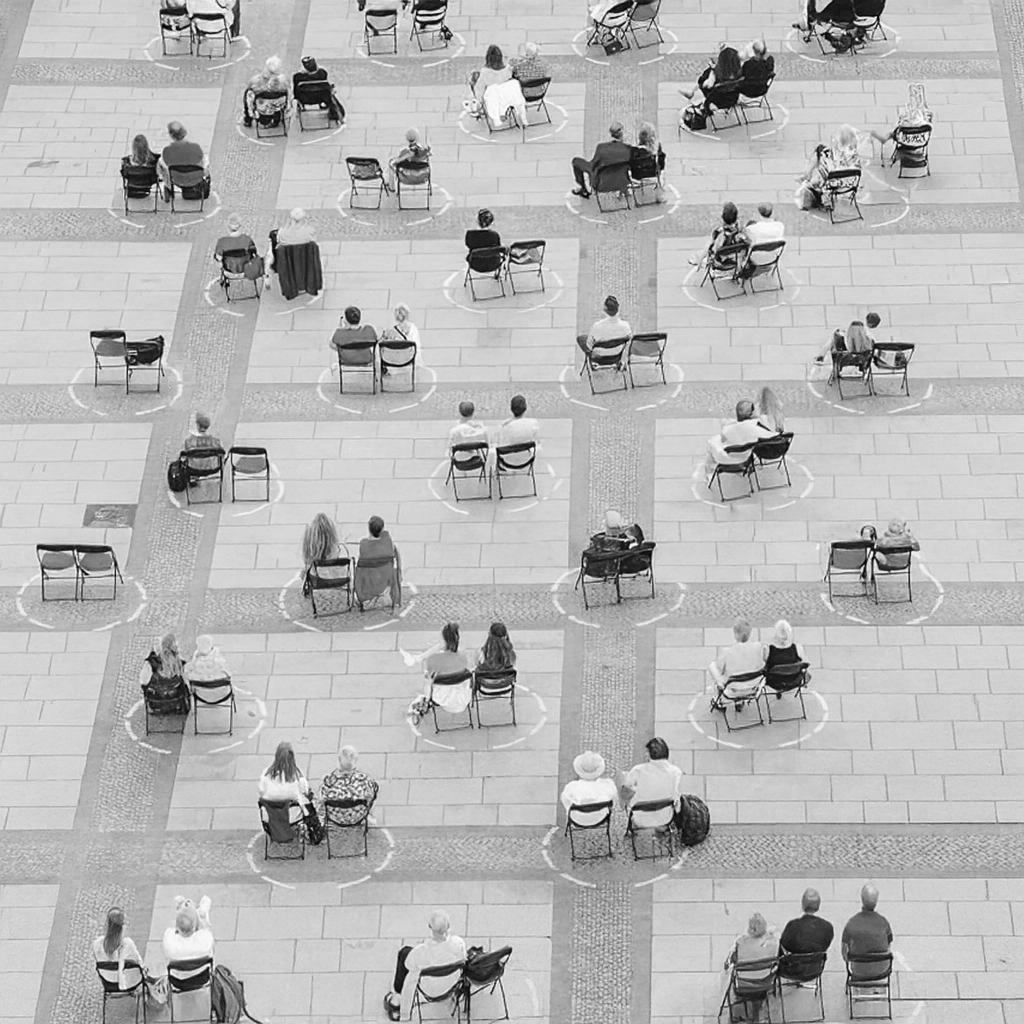
Fanny CHABROL is sociologist and anthropologist, Associate Research fellow at the Institut de Recherches pour le Développement (IRD). She is currently working on a research initiated by the French National Research Agency (ANR), named “HospiCOVID – Lessons learned from the resilience of public health institutions, hospitals and staff in the face of the SARS-CoV-2 pandemic”. This research aims to observe how public health institutions, hospitals and their staff have adapted to the crisis and compare their resilience to the COVID-19 pandemic, with examples from France, China, Mali, Canada, Brazil and Japan. https://u-paris.fr/hospicovid/en/homepage/ © Groupe-6 – Tous droits réservés – Musique : Tango Romantico, de René Aubry © & (p) Music Box Publishing (Extrait de l’album “Petits Sauts Délicats Avec Grand Ecart”)
#8
Audrey Richard & John Mumford
The hospital facing pathogens
Conversation on September 30, from 5:00 p.m. to 6:30 p.m., with Audrey Richard, Erinha, and John Mumford, Aspida ERINHA is a European infrastructure for research into “highly pathogenic” agents. It brings together European high containment laboratories (levels 3 and 4) with expertise in infectious diseases and biosafety. www.erinha.eu Aspida specializes in ultra-critical containment sites, including ExoMARS Rover Protection, Chernobyl Ark Air Treatment, P4 military laboratories, and Chemical Weapons Dismantling Sites, among others. With its expertise in hospital-related issues concerning BWR risk management, the company offers consulting services on biosafety and biocontainment for various healthcare facilities. www.erinha.eu The #hopitaldufutur podcasts are available on Apple Podcasts, Google Podcasts, Spotify, Deezer, Stitcher and TuneIn… © Groupe-6 – All rights reserved – Music: Tango Romantico, by René Aubry © & (p) Music Box Publishing (From the album “Petits Sauts Délicats Avec Grand Ecart”)
#7
Nadège Rutter
Tomorrow’s hospitals : nurses
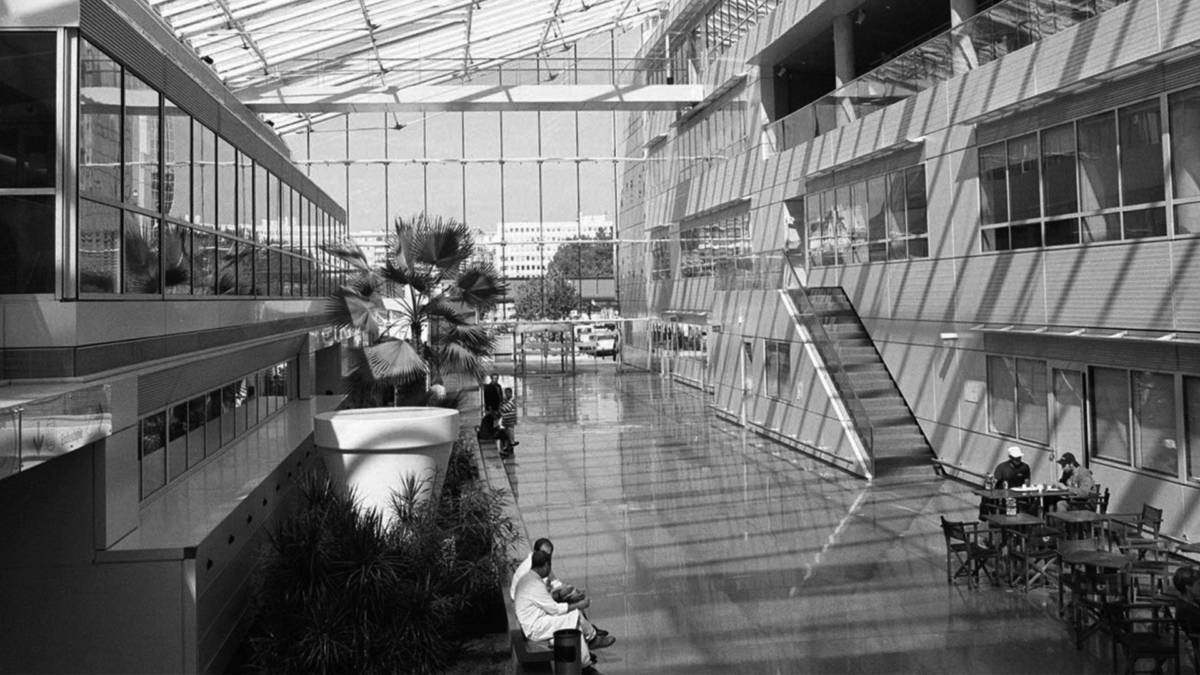
Nadège Rutter has been a ICU nurse for 12 years. She first worked in Paris St-Anne before joining the European Georges Pompidou Hospital (HEGP) where she worked during the Covid crisis. She shares her experience of a demanding job with difficult work conditions, whose recent transformations (digitalization, rythms) impact the quality of life at work of caregivers. She also shares her thoughts on the attractiveness of the hospital, which has to be reinforced, with her wish to make it more linked to the city and more friendly. Conversation of the friday, July 10, 2020.
#6
Jeanne Chatelon
Tomorrow’s hospitals: Anaesthetist-ICU doctor
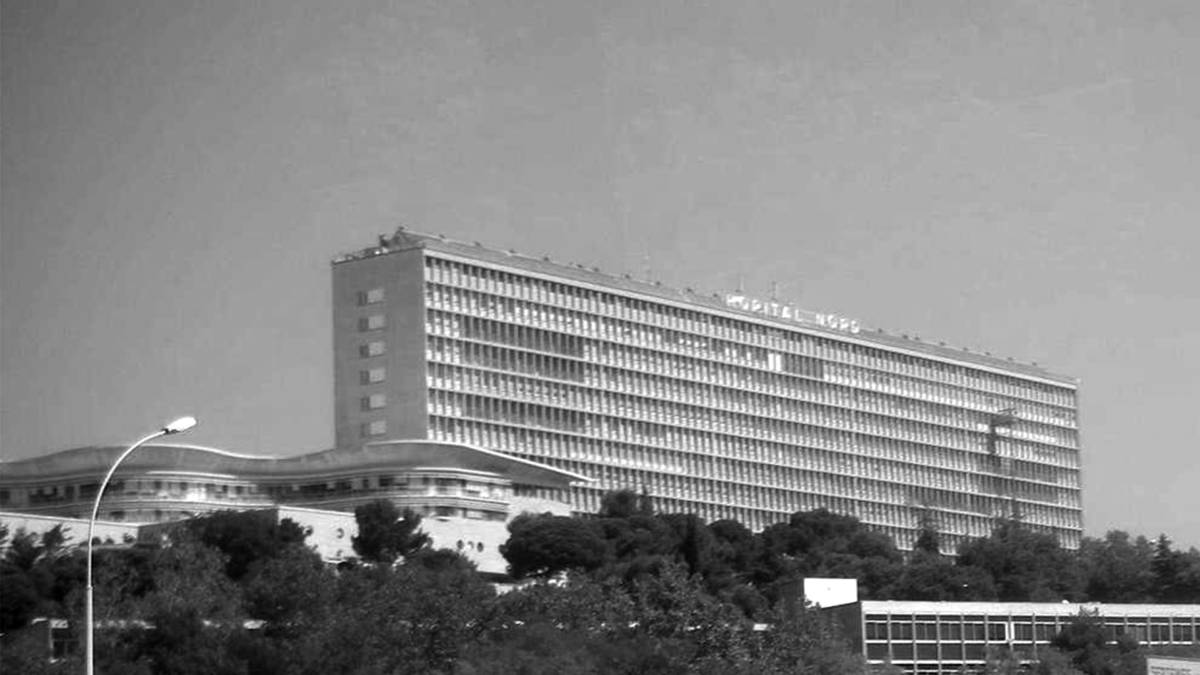
Jeanne Chatelon is anaesthetist-ICU doctor at the Hôpital Nord in Marseilles, France (AP-HM). #hopitaldufutur invited her to share her experience with the COVID crisis and other specific crisis organizations. She explains more broadly the evolution of resuscitation practices in the hospital and the expectations of doctors regarding their organization.
#5
Stéphane Pardoux
Tomorrow’s hospitals : director(s)
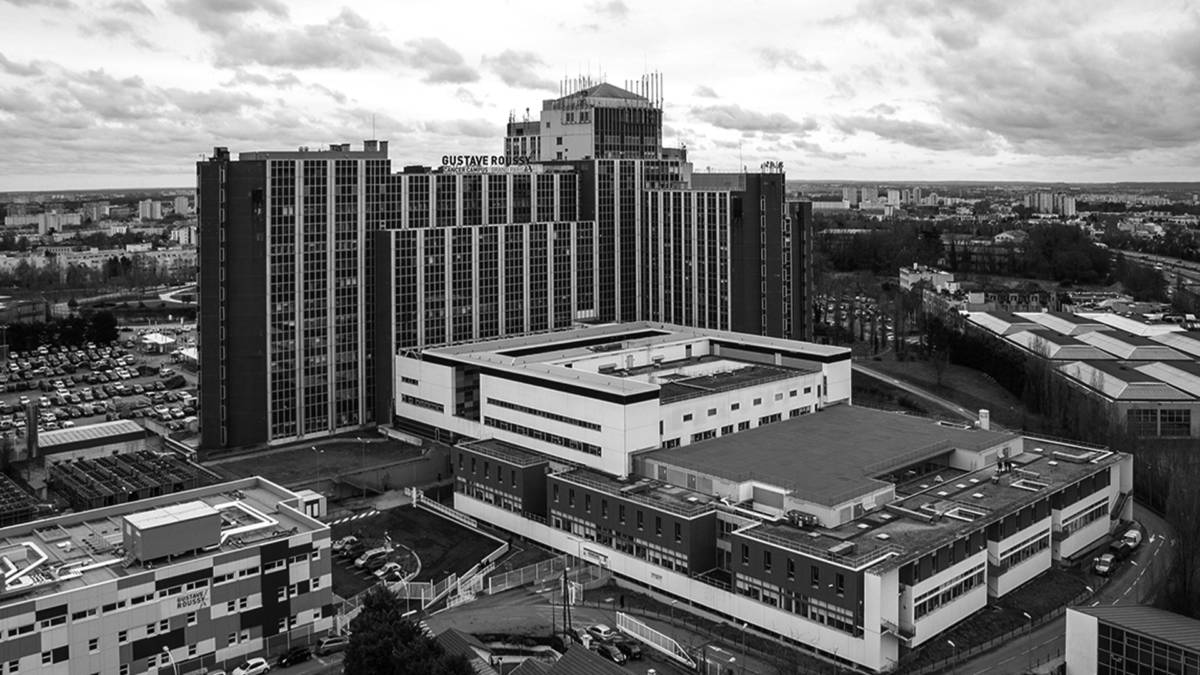
Stéphane Pardoux is Deputy Director of the Gustave Roussy Hospital. A graduate of IEP Bordeaux and EHESP, he was formerly Director of the Centre Hospitalier Intercommunal de Créteil (CHIC) and Director of the Centre Hospitalier Intercommunal de Villeneuve-Saint-Georges. He is also vice-president of the health facility certification commission of the HAS and vice-president of the RESAH board of trustees. He talks about the end of vast hospital projects and the importance of economic factors in development projects, discusses the flexibility required for medical projects, and comments on the evolution of hotel accommodation and the advent of mixed-use programmes in hospital settings.
#4
Jacques Grill
Tomorrow’s hospitals : researcher
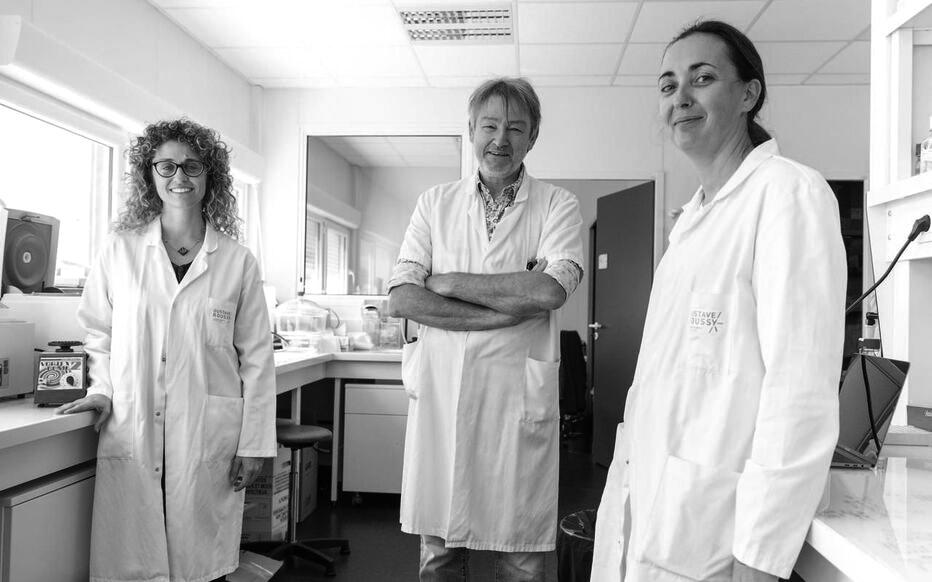
Jacques Grill, Cancer Campus-Gustave Roussy Jacques Grill is a pediatric doctor and researcher, responsible since 2011 for the Brain Tumors program within the Child and Adolescent Cancer Department of Gustave Roussy, and also in charge of the Pediatric Pathology Committee and the clinical and translational research of this department. He is also responsible for an INSERM team on the Genomics and Oncogenesis of Brain Tumors. #hopitaldufutur invited him to speak about the evolution of clinical and translational research practices at the hospital and the expectations of researchers regarding its organization. Conversation Tuesday, February, 25, 2020 Bio on Gustave Roussy’s website : https://www.gustaveroussy.fr/fr/jacques-grill
#3

Catherine Cerisey
Tomorrow’s hospitals : patients
Catherine Cerisey created in 2009 a blog that made reference to Breast Cancer, invested in associations and participated in several programs developed by different institutions, including the Ministry of Health and the HAS. Co-founder of Patients and Web, a health strategy consulting firm based on patient expertise, she is also a patient-teacher at the University Paris XIII-Bobigny, in a coconstructed teaching patient-doctor. She speaks about the rise of empowerment, the shared decision, the patient rights, the attention to be paid to gestures and words in all “care”, the dignity, new technologies and their potential, and the spaces of the hospital.
#2
Jean-Bernard Gervais
Tomorrow's hospitals : healthcare professionals
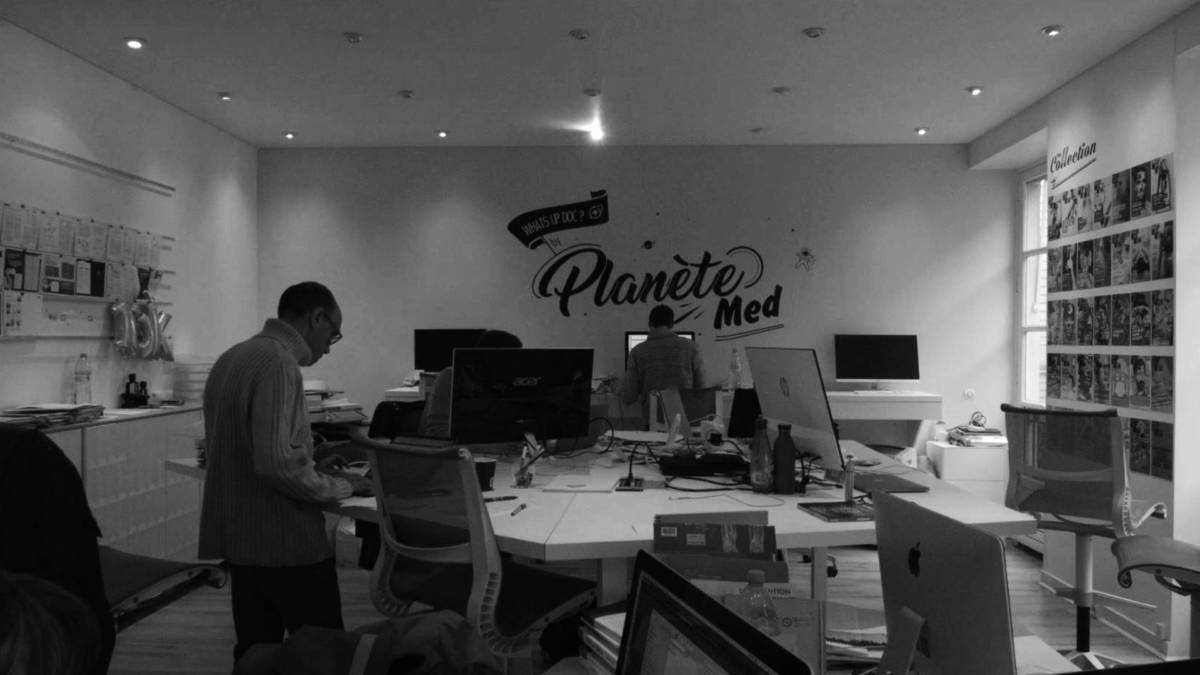
Jean-Bernard Gervais is associate editor of the magazine What’s up Doc, the french magazine of young doctors. #hopitaldufutur invited him to testify to the changing practices and expectations of hospital doctors. He speaks about the evolution of hospital medicine, its articulation with family medicine, the impact of new technologies, artificial intelligence and robotics, the shared decision, and workspaces at the hospital …
#1